
The Ultimate Guide To Buying Vintage Watches For Investment
May 08, 2026
Vintage watches have long been sought after by collectors and investors alike — not just for their beauty and craftsmanship, but for their proven ability to hold and grow in value over time. This guide covers everything you need to know to buy vintage watches for investment: the brands that matter, what drives value, how to avoid fakes, where to buy, and how to care for your pieces.
In This Guide
- Why Vintage Watches Are a Great Investment
- Top Vintage Watch Brands to Invest In
- What Makes a Vintage Watch Valuable
- How to Spot a Fake Vintage Watch
- Where to Buy Authentic Vintage Watches
- How to Care for Your Vintage Watches
- Pros and Cons of Investing in Vintage Watches
Why Vintage Watches Are a Great Investment
The market for vintage watches has grown consistently over the past two decades. Unlike many collectibles, the finest vintage watches combine scarcity, craftsmanship, brand heritage, and a passionate global collector base — all of which support long-term value appreciation.
Key reasons vintage watches make strong investments include their status as tangible, portable assets; their finite supply (no more vintage Rolex Submariners are being made); and the growing global demand from collectors in Asia, the Middle East, and North America. Auction records for vintage Rolex, Patek Philippe, and Omega references have broken repeatedly over the past decade.

Top Vintage Watch Brands to Invest In
Rolex — The most recognized name in vintage watch investment. References like the Submariner, Daytona, GMT-Master, and Explorer have delivered exceptional returns. Vintage Rolex watches with original “tropical” or “Sig” dials command significant premiums.

Patek Philippe — The pinnacle of Swiss watchmaking. Vintage Patek references — particularly the Calatrava, Nautilus, and complicated pieces — have set world auction records. Patek is widely considered the safest long-term store of value in horology.

Omega — The most actively traded vintage brand after Rolex. The Speedmaster Professional, Seamaster 300, and Constellation Manhattan are among the most collectible references. Vintage Omega offers strong value at accessible price points.

Heuer — Pre-TAG Heuer references — particularly the Carrera, Monaco, and Autavia — have seen dramatic appreciation. The Monaco worn by Steve McQueen in “Le Mans” is one of the most iconic vintage watches in existence.

Longines and Hamilton — Excellent entry points for new collectors. Both brands offer strong heritage, quality movements, and growing collector interest at more accessible price points.
What Makes a Vintage Watch Valuable
- Brand — Rolex, Patek Philippe, and Omega consistently command the highest premiums.
- Reference — Specific references (e.g., Rolex 6263 Daytona, Omega 2915 Seamaster 300) are far more collectible than others.
- Originality — Original dials, hands, cases, and movements are critical. Replaced parts significantly reduce value.
- Condition — Unpolished cases with original patina are preferred by serious collectors over polished examples.
- Rarity — Limited production runs, unusual dial variants, and prototype references command significant premiums.
- Provenance — Documented ownership history, original box and papers, and service records all add value.
- Dial condition — Original, unrestored dials — even with age-appropriate patina — are highly prized.
How to Spot a Fake Vintage Watch
The vintage watch market has always attracted counterfeiters. Here is what to check:
- Research the reference thoroughly — know the correct dial text, case dimensions, movement caliber, and production years before inspecting any watch.
- Examine the movement — a genuine vintage watch should have a clean, well-finished movement consistent with the brand and era. Dirty, rusty, or incorrect movements are red flags.
- Check the dial and hands — look for correct fonts, spacing, and printing quality. Faded or damaged dials on genuine watches are acceptable; incorrect printing is not.
- Verify case and serial numbers — cross-reference with known production records for the brand.
- Buy from reputable dealers — a trusted dealer with a track record, authentication process, and willingness to answer questions is your best protection.
Where to Buy Authentic Vintage Watches
The best sources for authentic vintage watches, in order of reliability:
- Specialist vintage dealers — like Experts Watches, with in-house authentication, CPO certification, and 25+ years of expertise.
- Major auction houses — Christie’s, Sotheby’s, and Phillips regularly offer authenticated vintage watches with full provenance documentation.
- Watch fairs and shows — events like Watches of Knightsbridge and regional collector fairs offer access to reputable dealers in person.
- Online marketplaces — Chrono24 and eBay can offer good finds, but require careful vetting of seller reputation and authentication documentation.
How to Care for Your Vintage Watches
- Store properly — keep in a dry, cool, dark environment away from direct sunlight, extreme temperatures, and humidity.
- Wind regularly — automatic watches benefit from regular wear or a quality watch winder to keep the movement running.
- Service every 3–5 years — have movements serviced by a qualified watchmaker experienced with vintage calibers.
- Avoid water exposure — most vintage watches are not water-resistant to modern standards; keep them dry.
- Do not polish the case — original case finishing and patina are highly valued by collectors; polishing destroys value.
- Handle with care — avoid drops, impacts, and strong magnetic fields.
Pros and Cons of Investing in Vintage Watches
Pros
- Proven appreciation — the right references from the right brands have delivered exceptional long-term returns.
- Tangible asset — a physical object you can wear, enjoy, and pass on.
- Portable wealth — a significant amount of value in a small, wearable form.
- Collector community — a passionate global market of buyers ensures liquidity for quality pieces.
Cons
- High upfront cost — the best investment-grade pieces require significant capital.
- Expertise required — buying the wrong reference, a polished case, or a replaced dial can significantly reduce returns.
- Niche market — less liquid than stocks or bonds; finding the right buyer takes time.
- Market risk — like all collectibles, values can fluctuate with broader economic conditions and collector trends.
Shop Vintage Watches at Experts Watches
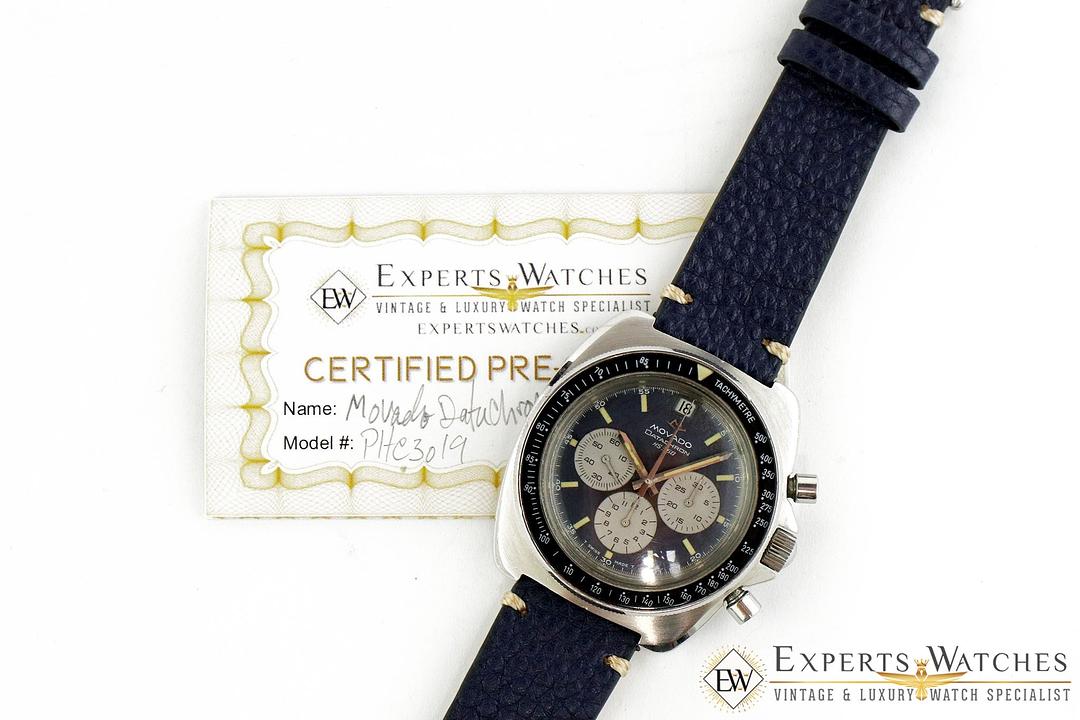
At Experts Watches, every piece is handpicked, inspected, timed, and authenticated in-house through our Certified Pre-Owned (CPO) program. We have been trusted vintage and luxury watch dealers since 2000 — with more in stock than listed online. Contact us and we’ll find what you’re looking for.
- Vintage Rolex Watches
- Vintage Omega Watches
- Vintage Heuer Watches
- Vintage Diving Watches
- All Vintage Watches
Watch Guides & Resources
- Full Watch Guides Library
- Brief History of Diving Watches
- For the Love of Vintage Watches
- Certified Pre-Owned Luxury Program
Sell or Trade Your Vintage Watch
We actively acquire exceptional vintage timepieces. Honest market valuations, transparent offers, and a seamless process from authentication to payment. Get an offer for your vintage watch →

📚 Explore our full Watch Guides library — including Vintage Watch Care Guide, serial number lookups, sizing charts, and movement histories
🔎 CPO Program — every watch inspected, timed, and authenticated in-house
🕰️ Sell, trade, or upgrade your watch
💬 Contact us — we have more in stock than listed and will treat you like a VIP

Trusted vintage & luxury watch dealer since 2000 | Shop Vintage Watches | CPO Program | Sell / Trade | Contact Us